

Winter hiking in the mountains is both an exciting adventure and a serious challenge. To truly enjoy the beauty of nature during the colder months, proper preparation is essential.
Preparation includes:
- suitable equipment;
- careful planning;
- practical skills;
- and good awareness of mountain conditions.
All of these elements help guarantee both your safety and comfort during winter mountain adventures.
Proper Equipment for Winter Mountain Hiking
In winter mountain conditions, your equipment becomes your most important protection.
Without appropriate clothing and accessories, risks increase significantly.
1. Layered Clothing System
Always use a three-layer clothing system:
- base layer for moisture control;
- insulating layer for warmth;
- waterproof outer shell for protection against wind and snow.
Adjust the layers depending on weather conditions and your physical activity to maintain a stable body temperature.
2. Winter Hiking Boots
Choose waterproof hiking boots with:
- thick soles;
- strong grip on snow and ice;
- stable ankle support.
Keeping your feet warm and dry is essential for both comfort and safety in winter conditions.
3. Jackets and Winter Pants
Your winter jacket should be:
- windproof;
- waterproof;
- breathable.
Winter hiking pants should also provide protection against snow, cold, and moisture.
Synthetic insulation materials are often preferred because they remain lightweight and warm even in humid conditions.
For additional durability, choose pants with reinforced knee sections suitable for rough winter terrain.
4. Winter Overalls
If you plan long hikes or expect extremely cold weather, winter overalls can be an excellent choice.
They provide:
- additional insulation;
- protection from wind;
- full-body coverage without gaps between jacket and pants.
Look for models with adjustable straps and waterproof materials.
5. Gloves and Hat
Hands and head lose heat very quickly in winter.
Use insulated gloves and a warm winter hat to minimize heat loss.
It is also highly recommended to carry a spare pair of gloves in case the first pair becomes wet.
When every part of your equipment is carefully selected for winter conditions, you will be prepared even for demanding mountain weather.
Always carry spare clothing in case of moisture, snowfall, or sudden weather deterioration.
Planning the Route and Evaluating Terrain
Before starting any winter mountain hike, route planning is extremely important.
This includes not only choosing an interesting trail but also realistically evaluating:
- terrain difficulty;
- your physical condition;
- weather conditions;
- available daylight.
1. Research the Route
Study maps and gather information about the terrain beforehand.
Pay special attention to:
- steep slopes;
- icy sections;
- avalanche-prone areas.
If you are inexperienced, stay on well-marked winter trails suitable for your skill level.
2. Check the Weather Forecast
Mountain weather during winter can change extremely fast.
Always monitor forecasts carefully before departure and again immediately before the hike begins.
Conditions that appear stable in the morning may become dangerous within hours.
3. Estimate Distance and Hiking Time Realistically
Winter hiking is slower and more physically demanding because of snow conditions and lower temperatures.
Keep in mind that daylight hours are much shorter during winter, especially if you plan to use ski lifts or cable cars.
Always allow extra time for unexpected delays.
4. Check Mountain Huts and Accommodation
Plan your overnight locations carefully.
If staying in mountain huts, remember that conditions are often basic and may lack comfort or heating.
Bring:
- a sleeping bag;
- thermal blanket;
- emergency supplies.
If camping in winter conditions, ensure your tent is specifically designed for snow and cold weather.
Accurate planning increases safety and allows you to fully enjoy the beauty of the winter mountains.
Food and Hydration During Winter Hiking
Maintaining energy levels in cold weather is essential for physical endurance.
Plan your food and hydration carefully.
Recommended Food
Bring high-calorie foods such as:
- nuts;
- dried fruits;
- energy bars;
- lightweight meals.
Avoid carrying overly heavy or difficult-to-prepare foods.
Warm Drinks and Hydration
Warm drinks are extremely important during winter hikes.
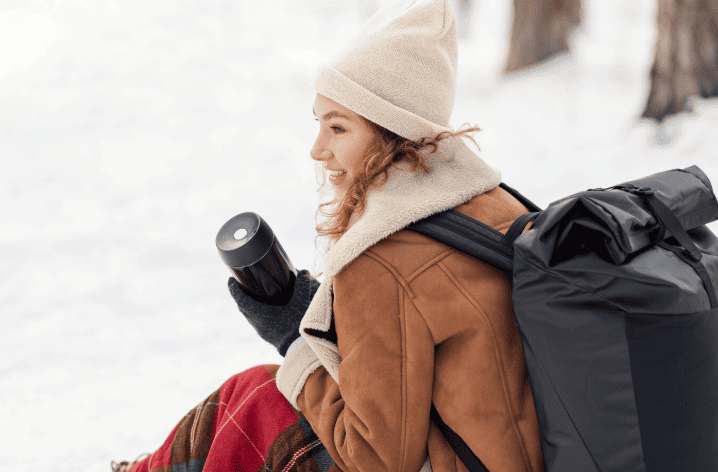
Carry a thermos with:
- tea;
- warm water;
- or another hot beverage.
Even if you do not feel thirsty, hydration remains essential in cold conditions.
It is always better to bring slightly more food and water than you expect to need, especially when hiking in groups.
Additional Winter Mountain Safety Tips
Winter hiking requires increased attention and readiness for emergencies.
Safety should always be your highest priority.
Essential Safety Equipment
- flashlight or headlamp with spare batteries;
- first aid kit;
- emergency thermal blanket;
- whistle for signaling.
Communication
Always inform someone about:
- your planned route;
- expected return time;
- emergency contacts.
Carry a fully charged phone, but remember that mobile signal is often limited in high mountain areas.
This is why physical maps and navigation knowledge remain extremely important.
Rest and Energy Management
Take regular breaks to recover and avoid excessive exhaustion.
Pacing yourself properly is essential during winter hiking.
Knowledge and preparation can make the difference between an unforgettable winter adventure and a dangerous situation.
Discover the Beauty of Winter Mountains Safely
Winter mountain tourism offers a unique opportunity to reconnect with nature and experience the beauty of snowy alpine landscapes.
With proper equipment, planning, and preparation, winter hiking becomes both safe and deeply rewarding.
And after a long day in the mountains, Ruskovets Thermal SPA & Ski Resort near Dobrinishte provides the perfect place to warm up and recover with:
- mineral pools;
- SPA relaxation;
- cozy mountain villas;
- and peaceful winter scenery in the heart of the Pirin Mountains.